



What is ChatGPT and OpenAI Artificial Intelligence (AI)?
25 May 2023
GITEX Dubai Exhibition (UAE Information Technology)
19 May 2024
Symantec Endpoint Protection (SEP) is a comprehensive cybersecurity solution developed by Symantec Corporation, which is currently a part of Broadcom Inc.
1. Symantec Endpoint Protection: is an advanced antivirus software and an end-to-end security solution designed to protect businesses and organizations against a wide range of cyber threats.
2. Endpoint Security: SEP primarily focuses on endpoint security, which includes computers, laptops, servers, and mobile devices, which are common targets of cyber attacks.
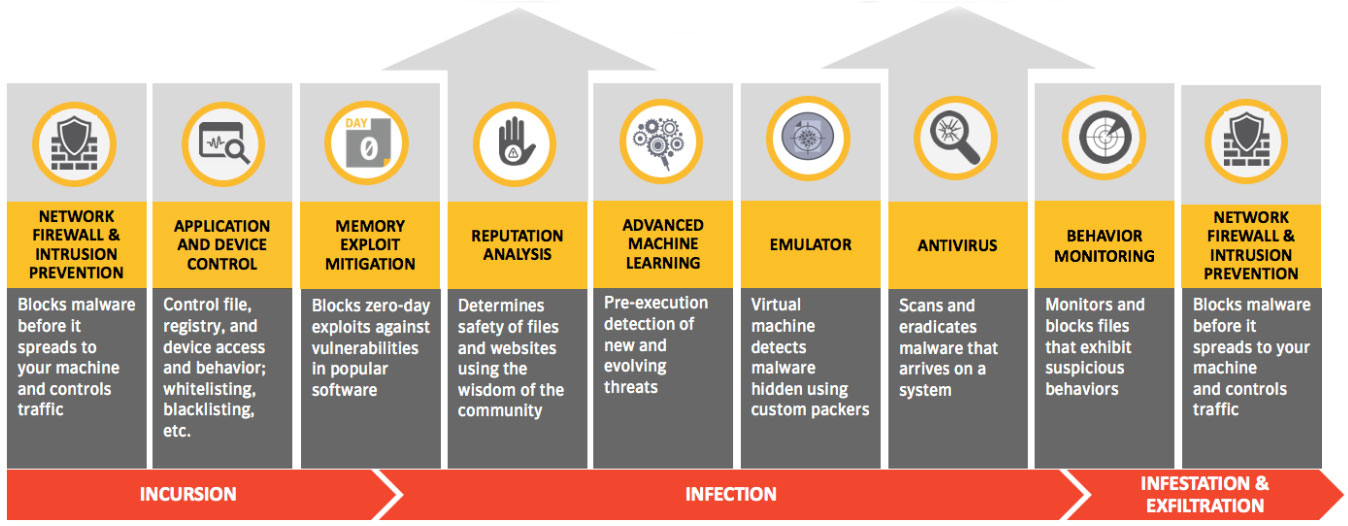
3. Anti-Virus Protection: One of the main features of SEP is its anti-virus engine that scans and detects malware, viruses and other malicious software.
4. Advanced Threat Protection: SEP has integrated advanced threat identification technologies such as methodologies, behavioral analysis, and machine learning to identify and block new and evolving threats.
5. Firewall Protection: This includes a strong firewall to monitor and control incoming and outgoing network traffic that prevents unauthorized access and data intrusions.
6. Intrusion Prevention System (IPS): The IPS feature of SEP helps protect systems by identifying and blocking suspicious network activity and potential intrusion attempts.
7. Email Security: SEP offers email security features to protect against phishing attacks, spam and malicious email attachments.
8. Live Update: The software regularly updates its virus definitions and patches to ensure it has the latest capabilities against threats.
9. Central Management: SEP provides a central management console that allows IT administrators to monitor security policies, view threats and manage endpoints across the organization.
10. Policy Customization: Administrators can customize security policies to provide a balance between security and organizational productivity.
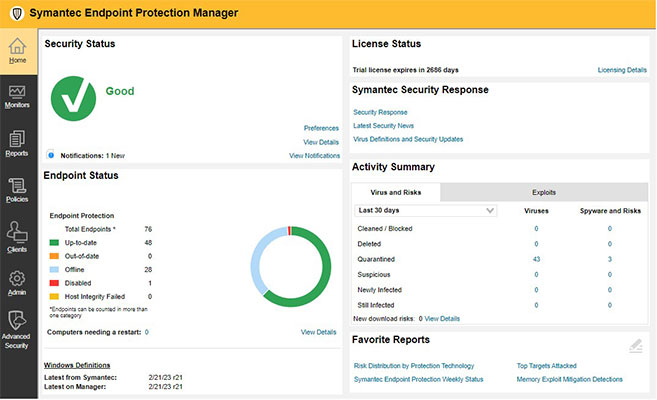
11. Reporting and Analysis: SEP provides detailed reporting and analytical tools to investigate security events, evaluate the effectiveness of security measures, and make informed decisions.
12. End-to-end detection and response: Some versions of SEPs include EDR capabilities that help organizations perform better security responders.
13. Integration with Cloud: SEP integrates cloud components to manage security in distributed environments.
14. Support for multiple platforms: It supports various operating systems, including Windows, macOS, Linux, and mobile platforms such as iOS and Android.
15. Integration with other security tools: SEP can be integrated with other security solutions and services to improve security.
16. Scalability: Suitable for businesses of all sizes, from small businesses to large enterprises, it delivers and transforms.
17. Compliance Support: SEP helps organizations meet compliance needs by enforcing security policies.
18. Safeguarding against zero-day threats: This preventive solution helps in identifying and damaging zero-day threats.
19. User Training: The SEP may include user awareness features to educate employees about security best practices and potential threats.
20. Ongoing Updates and Support: Symantec/Broadcom provides ongoing support, updates and patches to ensure that the software remains modified against evolving cyber threats.
Please note that features and functionality of Symantec Endpoint Protection may have changed since my last knowledge update in September 2021. For more current information, it is recommended to visit the official Symantec or Broadcom website or consult a cybersecurity professional.
Comparing Symantec Endpoint Protection (SEP) to Kaspersky Endpoint Protection (Kaspersky EP) may differ based on the specific needs of organizations and different security metrics. Here are some tips to compare these two security solutions:
1. Capabilities and Features:
- SEP has features like firewall, advanced threat protection, intrusion prevention systems, email security, and cloud integration.
- Kaspersky EP also supports similar features like firewall, antivirus, advanced threat protection, and central management.
2. Advanced Technologies:
- Both solutions use advanced technologies to detect and block threats. For example, SEP uses machine learning and behavioral analytics.
3. Platform Support:
- Both security solutions support multiple operating systems including Windows, macOS, and Linux.
4. Central Management:
- Both SEP and Kaspersky EP offer central management capabilities so that organizations can manage security policies and monitor threats from a central location.
5. Regulatory Compliance:
- Both solutions support capabilities for security regulatory compliance and providing robust reporting for audits.
6. Pricing and Cost:
- Costs for SEP and Kaspersky EP may vary and are affected by factors such as the number of devices used, organizational needs, and the duration of the licenses.
7. Support and Updates:
- In both cases, the manufacturing companies (Symantec/Broadcom for SEP and Kaspersky Lab for Kaspersky EP) provide ongoing support and updates.
To choose between these two solutions, it is important to consider the specific needs of your organization and make a careful assessment of the features, capabilities, price, and security capabilities offered by both solutions. Also, you may reach a more appropriate decision by consulting cyber security experts.

It is a comprehensive security software designed to protect various devices such as PCs, servers, and mobile devices against a variety of cyber threats. This software protects endpoints from malicious attacks using a combination of advanced security technologies, including antivirus, antimalware, firewall, and intrusion prevention system.